Cracking the Code: How to Maintain Peak Performance During the Australian Semester

For many international and local students alike, the Australian academic calendar is a unique beast. Between the breathtaking coastal lifestyle and the rigorous standards of Group of Eight (Go8) universities, finding a balance can feel like a full-time job.
Whether you are navigating the bustling campuses of Monash in Melbourne or the University of Sydney, the pressure to maintain a high GPA while juggling part-time work and a social life is immense. “Peak performance” isn’t just about late-night cramming; it’s a holistic strategy involving mental clarity, physical health, and smart resource management.
The Australian Academic Landscape: A Statistical Overview
The Australian higher education sector is renowned for its high standards, but it also comes with significant stress. According to a Tertiary Education Quality and Standards Agency (TEQSA) report, student burnout rates have seen a 15% uptick over the last three years, largely due to the “crunch periods” of Weeks 8 through 12.
To thrive, students must transition from “surviving” to “strategizing.” This involves understanding that academic success in Australia is heavily weighted towards critical thinking and independent research rather than rote learning.
1. Master the “Smarter, Not Harder” Workflow
Efficiency is the cornerstone of peak performance. The Australian semester moves fast—12 to 13 weeks of teaching followed by an intensive exam period. To stay ahead, you need to leverage external support systems before the workload becomes unmanageable. Many students find that professional online assignment help allows them to bridge the gap between complex lecture theories and high-quality written submissions, ensuring they don’t fall behind during peak assessment weeks.
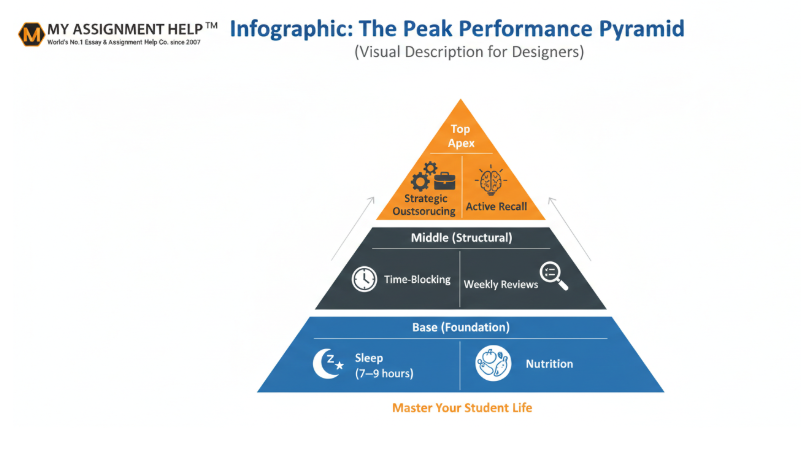
2. Leverage the “Pomodoro” with an Aussie Twist
The Pomodoro Technique (25 minutes of work, 5 minutes of rest) is world-famous, but in Australia, the “rest” component is vital. With some of the world’s best outdoor spaces, a five-minute walk in the fresh air can boost cognitive function by 20%, according to University of Melbourne research on “Green Micro-breaks.” Use your breaks to step away from the screen; your brain needs the oxygen to process complex data.
3. Financial Wellness and Academic Outsourcing
The cost of living in major cities like Sydney and Brisbane can be a distraction. Many students work 20 hours a week, which leaves little room for 3,000-word essays. When the choice is between failing a unit or losing your job, smart students look for ways to pay for assignments to ensure their academic record remains spotless. This isn’t just about getting the work done; it’s about buying back time to focus on exam preparation or mental health.
4. The “Mid-Semester Slump” and How to Beat It
Around Week 7, the “Mid-Sem Slump” hits. This is where most students lose their momentum. Data from Headspace Australia suggests that proactive mental health checks during this period can improve end-of-semester results by up to 10%.
- Action Plan: Schedule a “Zero Day” in Week 7. No study, no work—just recovery. This reset prevents burnout in the final weeks.
5. Utilizing University Resources
Australia’s universities offer world-class facilities. From the 24/7 libraries at UNSW to the student wellbeing hubs at UQ, these resources are included in your student fees. Peak performers don’t wait for a crisis to visit a student advisor; they engage early to understand marking rubrics and expectations.
Key Takeaways for Student Success
- Prioritize Sleep: Cognitive decline after 17 hours of wakefulness is equivalent to a blood alcohol level of 0.05%.
- Early Intervention: Seek help in Week 3, not Week 11.
- Strategic Outsourcing: Use academic services to manage low-priority tasks so you can focus on core subjects.
- Stay Active: Use the Australian climate to your advantage with outdoor exercise to reduce cortisol.
See also: Healthsciencesforum Heather Arranie: a Topic That Inspires Knowledge
FAQ: Navigating the Australian Semester
Q: How do I handle multiple assignments due in the same week?
A: Use a “staggered” approach. Start the most difficult task 14 days early. For tasks that are outside your expertise, consider professional academic assistance to maintain your GPA.
Q: Is it common for Australian students to use assignment services?
A: Yes. With high tuition fees and the pressure of the Australian points-based migration system (for international students), many rely on expert tutoring and writing services to ensure they meet the rigorous “High Distinction” (HD) criteria.
Q: What is the best way to reference in Australian Universities?
A: Most Australian institutions use APA 7th, Harvard, or AGLC (for law). Always check your unit guide, as requirements vary between faculties.
About the Author: Sarah Jenkins
Senior Academic Consultant at MyAssignmentHelp Sarah Jenkins is a Melbourne-based educational strategist with over 10 years of experience in the Australian tertiary sector. Having worked as a sessional tutor at a leading Go8 university, she now specializes in helping students navigate the complexities of academic writing and time management. Sarah is passionate about empowering students to achieve their career goals without sacrificing their mental well-being.
Data Sources & References:
- TEQSA (2023): Annual Report on Student Wellbeing and Academic Integrity.
- University of Melbourne Research: The impact of green spaces on cognitive performance.
- Headspace Australia: National Student Mental Health Survey Results.
- Australian Department of Education: Higher Education Statistics and Student Retention Rates.