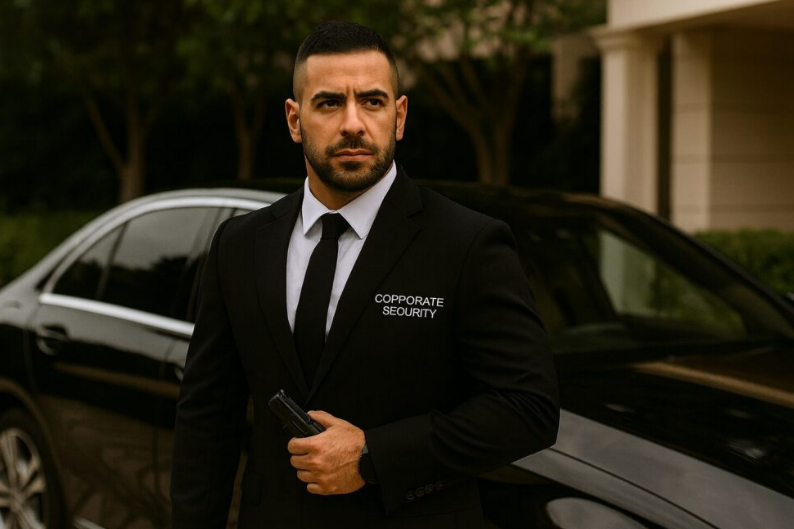
Private Security for VIPs: What Truly Keeps High-Profile Clients Safe Today

If you’re a public figure, executive, celebrity, high-net-worth individual, or even someone who’s suddenly in the spotlight, “security” isn’t just about having a tough-looking person standing nearby. Real safety is quieter than that. It’s planning, prevention, smart movement, and calm decision-making—before anything goes wrong.
Today, the biggest threats don’t always look like “movie threats.” Sometimes it’s an overexcited fan who gets too close. Sometimes it’s a pattern in your routine that makes you predictable. Sometimes it’s poor coordination at an event where staff don’t know who’s allowed backstage. And sometimes it’s online exposure that turns into real-world risk.
This is what truly keeps high-profile clients safe in the modern world.
Safety Starts Long Before Anyone Shows Up
The most effective protection is invisible. The best teams don’t “react” to danger—they reduce the chance that danger can even happen.
That means Private security for VIPs should begin with advance work:
- Reviewing venues before arrival
- Mapping entrances, exits, and choke points
- Confirming secure parking and drop-off zones
- Identifying where crowds form and where control is weak
- Coordinating with event staff, drivers, and venue management
- Planning backup routes and emergency procedures
When all of this is done correctly, most “risky moments” never happen—because the environment is controlled and your movement is smooth.
The Real Goal: Control the Space, Not the Spotlight
A common misunderstanding is that VIP security is about being seen. In reality, it’s about controlling the space around the VIP without creating attention.
That’s why Private security for VIPs is often built around:
- Strategic positioning (so you’re always protected without feeling surrounded)
- Quiet communication between the team
- Smooth transitions from vehicle to venue
- Minimal delays that can trigger crowd buildup
- Keeping the client’s experience normal while risk stays low
The best protection feels like nothing at all—because the client can focus on their work, their appearance, or their event while the security team handles the environment.
Threats Have Changed—So Protection Must Change Too
Modern risk doesn’t always look like a direct attack. It often comes in smaller forms that can escalate fast:
- People recording everything and posting live locations
- Fans crossing boundaries for “a quick photo”
- Protest activity near public events
- Stalking behavior that starts online and becomes physical
- Staff or vendors oversharing details unintentionally
- Travel routines becoming predictable
This is why effective Private security for VIPs requires more than physical presence. It requires awareness, intelligence, and strong planning habits—especially around travel and public appearances.
Travel Days Are Where Most Mistakes Happen
Hotels, airports, parking lots, and “in-between” moments are where clients are usually most exposed. The big event might be secure, but the walk from the elevator to the car can be the weak link.
Smart teams focus heavily on:
- Staggered movement (so you’re not predictable)
- Private entries and low-exposure routes when available
- Driver/security coordination with clear timing
- Secure waiting areas
- Monitoring the surroundings before the client exits a vehicle
This is one of the most overlooked parts of VIP protection—and one of the most important.
See also: Top 10 Tech Innovations That Will Shape 2025
The Best Security Teams Stay Calm, Not Loud
In high-pressure moments, calm wins. Professional protection is built on discipline, communication, and judgment—not ego.
A high-quality team should have:
- Clear roles (lead, advance, close protection, driver coordination)
- Controlled communication and decision-making
- Strong de-escalation skills (not everything needs force)
- The ability to blend in without looking like a “scene”
- The mindset to prevent, not provoke
This is the difference between security that “looks impressive” and security that actually protects.
Confidentiality Is a Security Feature, Not a Bonus
For VIPs, privacy is part of safety. Leaks create risk. Oversharing creates patterns. Loose communication creates exposure.
A professional security provider treats confidentiality like a core rule:
- Need-to-know information only
- Tight control of schedules and location details
- Discreet coordination with staff and vendors
- Professional conduct in public spaces
- No “name-dropping,” no posting, no careless talk
That’s why the best Private security for VIPs often feels “quiet” from the outside—but it’s extremely structured behind the scenes.
What “Good Security” Actually Looks Like
If you’re hiring protection, here’s what you should expect from a serious operation:
- A risk-based plan tailored to your lifestyle and exposure
- Advance coordination for events, travel, and public appearances
- Professional, discreet presence (not attention-seeking behavior)
- Strong de-escalation and judgment
- Clear communication, backups, and contingencies
- Respect for your privacy and brand
This is the standard used by teams that protect high-profile clients correctly.
Final Thoughts
The truth is simple: real VIP protection isn’t about intimidation—it’s about structure, prevention, and precision. It keeps the client safe while letting them live normally, move confidently, and stay focused.
If you’re evaluating Private security for VIPs, look for a team that prioritizes planning and professionalism over performance. The safest moments are the ones nobody notices.
For clients who need discreet, risk-aware protection built around privacy and real-world movement, American Strategic Consulting, PLLC provides security solutions designed for today’s high-profile environment. When safety is done right, it doesn’t feel dramatic—it feels seamless. And that’s exactly the point.